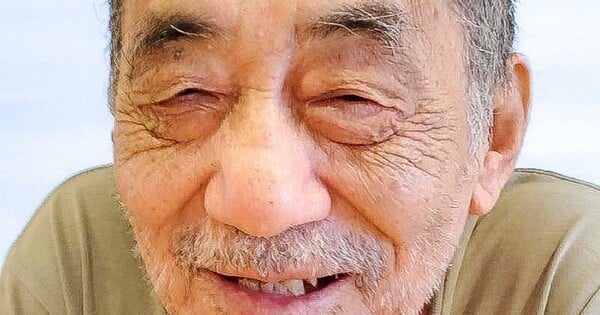
Manga artist Shin’ichi Abe, a pioneering figure of confessional autobiographical manga, has died at the age of 76. His son, musician Kosei Abe, announced on September 7 that his father had passed away on September 4 from submandibular gland cancer. The family held a private funeral with close relatives.
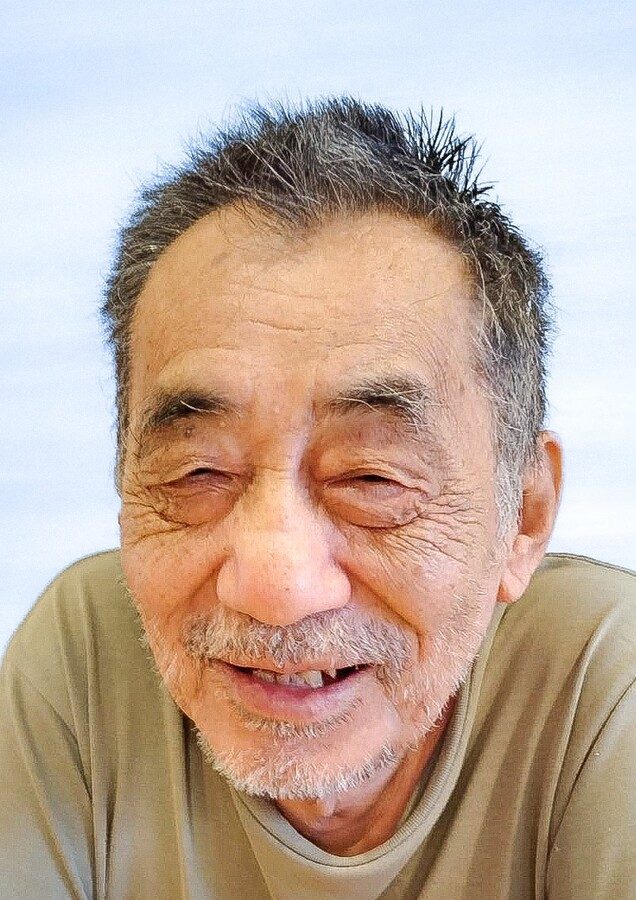
A career built on the personal
Abe began his career in 1970 with the manga Yasashii Hito and was most active through the 1970s. He is regarded as one of the central figures in watakushi-manga — “I-manga,” the confessional, autobiographical mode that took its name from the watakushi-shosetsu (“I-novel”) tradition in Japanese literature. Rather than genre plots, his work drew directly on his own domestic life, his marriage, and his inner anxieties, rendered in a loose, intimate line that prioritised mood and honesty over polish.
The Garo milieu
Abe belonged to the generation of artists associated with Garo, the alternative monthly founded in 1964 that became the home of manga too personal, experimental or uncommercial for the mainstream weeklies. Alongside contemporaries such as Yoshiharu Tsuge — whose dreamlike, autobiographical short stories reshaped what the medium could do — and Seiichi Hayashi, Abe helped push manga toward literary and formally adventurous territory in the late 1960s and 1970s. That body of work was slow to reach readers outside Japan, but a steady wave of translations from small presses over the past decade has brought it to a new international audience.
Key works
His bibliography includes Aihasu no Kazoku, contributions to the alternative anthology AX: Alternative Manga, and That Miyoko Asagaya Feeling, the work for which he is best known internationally. Glacier Bay Books publishes That Miyoko Asagaya Feeling in English; the collection was nominated for a Will Eisner Comic Industry Award in the Best Archival Collection/Project — Comic Books category in 2020, and it inspired a live-action Japanese film adaptation in 2009. The stories center on a struggling cartoonist and his wife, Miyoko, and are candid about jealousy, artistic frustration and tenderness in a way that was rare in manga of its time.
His place in manga history
Abe’s death removes one of the last active links to the founding era of alternative manga. The autobiographical strain he helped establish — unglamorous, interior, drawn from the artist’s own household — runs through later acclaimed works by creators such as Kazuichi Hanawa and, more recently, the wave of personal essay manga that has become a commercial category of its own. For English-language readers, his passing is a reminder to seek out That Miyoko Asagaya Feeling, one of the few points of entry into a tradition that shaped the medium far out of proportion to its original readership.
Via Anime News Network. Sources: Kosei Abe’s X account, Comic Natalie, Oricon News.